
An In-Depth Guide to Safe, Vet-Approved Winter Care for Every Breed
You’ve probably noticed it: your dog shivering after a quick potty break, burrowing under blankets, or refusing to step onto icy pavement. January’s cold snap isn’t just uncomfortable for you—it’s a real challenge for your canine companion. And with record-low temperatures across much of the U.S. in early 2026, knowing how to keep your dog warm isn’t just cozy advice—it’s essential care.
But here’s the problem: misinformation abounds. “Just put a sweater on!” they say. Or worse: “Dogs are fine—they have fur!” The truth? Not all dogs handle cold the same way. A Husky thrives in snow, while a Chihuahua can develop hypothermia in minutes. And well-meaning owners often miss early warning signs until it’s too late.
The good news? You don’t need special gear or a heated doghouse to keep your dog safe. What you need is knowledge, awareness, and simple, vet-approved strategies tailored to your dog’s breed, age, and lifestyle.
In this guide, you’ll learn:
- Which dogs are most at risk (it’s not just small breeds)
- How to recognize early signs of cold stress
- Safe indoor and outdoor warming techniques
- What winter gear actually works (and what’s just cute)
- When to call a vet immediately
No hype. No fear tactics. Just practical, compassionate care that works—right now, in the heart of winter 2026.
Let’s keep your best friend warm, safe, and happy.
Why Winter Care Is a Silent Emergency for Dogs
It’s easy to assume that because dogs have fur, they’re naturally equipped for winter. But domesticated dogs are far removed from their wild ancestors. Most breeds were developed for specific climates—and many simply aren’t built for freezing temperatures.
Consider this:
- A dog’s normal body temperature is 101–102.5°F.
- When it drops to 99°F, they enter mild hypothermia.
- Below 95°F, it becomes life-threatening.
Unlike humans, dogs can’t tell us they’re cold. They rely on us to read their cues:
- Shivering or trembling
- Whining or anxiety
- Lifting paws off cold ground
- Slowing down or stopping movement
- Seeking shelter or burrowing
Worse, hypothermia can develop in under 15 minutes for vulnerable dogs—even in “just cold” weather (32–45°F).
According to the American Veterinary Medical Association (AVMA), emergency vet visits for cold exposure spike 65% in January—most involving dogs left outside “just for a few minutes.”
The bottom line? Winter isn’t just a season. It’s a safety window. And with the right care, you can keep your dog thriving—not just surviving.
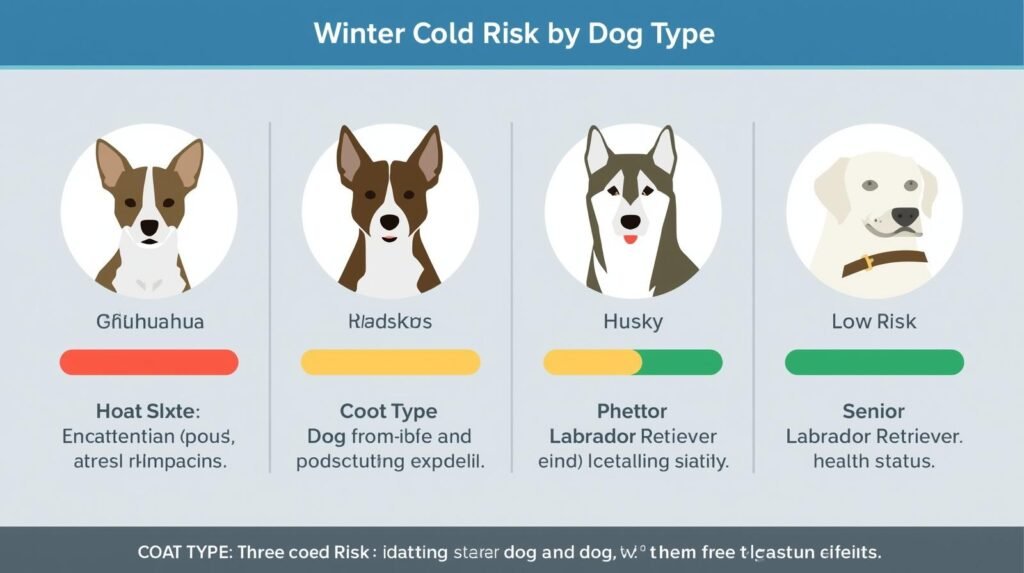
Which Dogs Are Most at Risk (It’s Not Just the Obvious Ones)
We often think only tiny dogs struggle in winter. But vulnerability depends on four key factors—not just size.
1. Coat Type
- High risk: Short-haired (Boxers, Beagles, Pit Bulls), hairless (Xolo), or single-coated breeds (Greyhounds)
- Lower risk: Double-coated (Huskies, Malamutes, Shepherds)—but even they can get cold in extreme wind or wetness
2. Age and Health
- Puppies (<1 year): Can’t regulate body temperature well
- Seniors (>8 years): Slower metabolism, arthritis (makes them less active = less heat)
- Dogs with illness: Heart disease, diabetes, or hypothyroidism impair heat production
3. Body Composition
- Lean dogs (e.g., sight hounds) have less insulating fat
- Overweight dogs may seem “cushioned,” but obesity strains their heart in cold stress
4. Lifestyle
- Indoor-only dogs lack cold acclimatization
- Outdoor dogs may seem “used to it”—but prolonged exposure still damages tissue
📌 2026 Update: With January’s polar vortex affecting even southern states, even “warm-climate” dogs are at risk this year.
Key Insight: Your Chihuahua is vulnerable—but so is your senior Lab. Don’t assume.
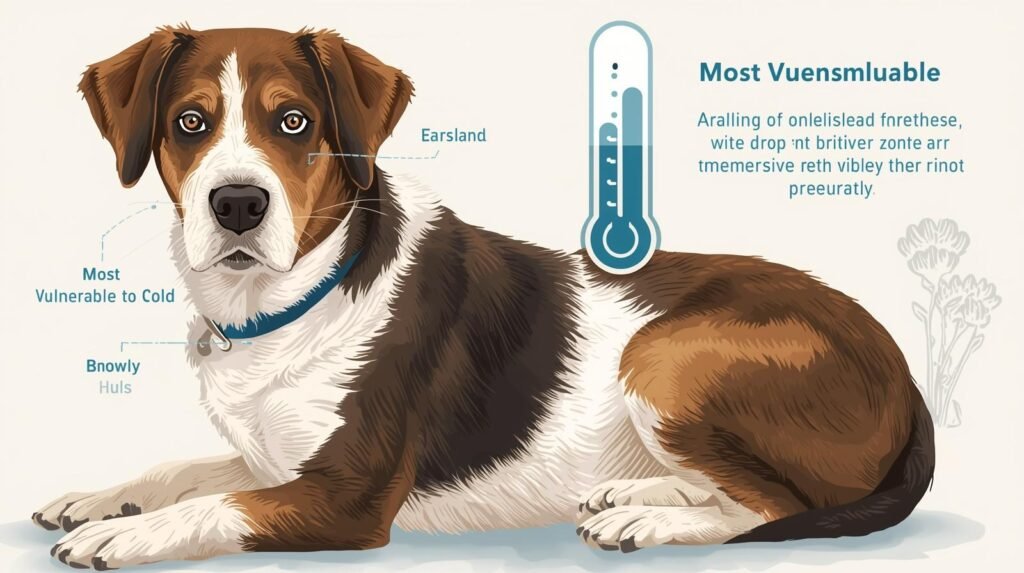
Signs Your Dog Is Too Cold (And What to Do Immediately)
Catching cold stress early saves lives. Watch for these progressive signs:
Mild Cold Stress
- Shivering
- Ears and paws feel cold to touch
- Seeking warmth or burrowing
✅ Action: Bring indoors immediately. Wrap in a dry, warm (not hot) towel. Offer lukewarm water.
Moderate Hypothermia
- Weakness or lethargy
- Slow, shallow breathing
- Muscle stiffness
- Pale gums
✅ Action: Wrap in blankets. Use warm (not hot) water bottles wrapped in towels against their belly. Call your vet—even if they seem to improve.
Severe Hypothermia
- No shivering (body has given up)
- Unconsciousness
- Faint or no pulse
✅ Action: Emergency! Wrap in blankets, apply warm bottles, and rush to an emergency vet. Do not use direct heat (heating pads, hair dryers)—it can cause shock.
❌ Never rub frostbitten skin or give alcohol.
✅ Do monitor temperature if you have a pet thermometer.
Pro Tip: Check paws and ears first—they lose heat fastest.
Because minutes matter. And your awareness is their best defense.
Safe Indoor Warming Strategies (Beyond Blankets)
Keeping your dog warm inside is about smart micro-environments, not just cranking the heat.
1. Thermal Dog Beds
- Use self-warming beds (reflect body heat) or microwavable pads (like Snuggle Safe)
- Avoid electric heating pads—they can overheat or cause burns
2. Draft-Free Zones
- Move beds away from windows, doors, and vents
- Use door sweeps or window insulation kits to block cold air
3. Elevated Beds
- Cold rises from floors. Use raised cot-style beds to keep them off tile or concrete
4. Humidity Balance
- Dry winter air dries skin and paws. Use a humidifier in their room (ideal: 40–50% humidity)
5. Nighttime Care
- For seniors or thin dogs, add a soft fleece jacket even indoors at night
- Provide extra bedding—they’ll burrow naturally
Real Story: Maria in Chicago keeps her 12-year-old Dachshund on a heated pad (set to low) wrapped in fleece. “He sleeps through the night now, instead of pacing.”
Because warmth isn’t luxury. It’s dignity in aging.
Outdoor Safety: Walks, Potty Breaks, and Play
You can’t avoid going out—but you can minimize risk.
The 10-Second Rule
Place the back of your hand on the pavement. If you can’t hold it for 10 seconds, it’s too cold for their paws.
Timing Matters
- Walk during peak daylight warmth (11 a.m.–2 p.m.)
- Keep walks short and purposeful in sub-32°F weather
Paw Protection
- Dog boots: Best for snow, ice melt, or long walks (try Ruffwear or Muttluks)
- Paw balm: Apply before walks to create a barrier against salt and ice (e.g., Musher’s Secret)
Never Leave in Cars
A parked car turns into a freezer in winter—faster than in summer heat.
Emergency Kit
Keep in your car:
- Towel
- Portable blanket
- Paw balm
- Your vet’s number
❌ Don’t let them eat snow—it can hide chemicals or cause stomach upset.
✅ Do wipe paws after every outing to remove ice melt (toxic if licked).
Because every second outside counts—and preparation turns risk into routine.
Winter Gear That Actually Works (And What’s Just Fashion)
Not all sweaters are equal. Function beats fashion in true cold.
✅ What Works
- Fleece jackets with belly coverage: Look for snug but not tight, with neck and belly protection (e.g., Canada Pooch, Hurtta)
- Waterproof coats: Essential for snow or wet climates—keeps them dry = keeps them warm
- Insulated boots: For temps below 20°F or icy terrain
❌ What’s Risky or Useless
- Cotton sweaters: Absorb moisture, make them colder
- Hoodies or costumes: Restrict movement, cause stress
- Thin “fashion” coats: No insulation value
How to Fit Properly
- You should fit two fingers under the neck and chest
- No riding up over the back
- Hind legs should move freely
Pro Tip: Introduce gear indoors first with treats. A stressed dog won’t benefit from even the best coat.
Because the right gear isn’t about looks. It’s about confidence in the cold.
Special Care for Seniors, Puppies, and Sick Dogs
Vulnerable dogs need proactive warmth—not just reactive.
Seniors
- Arthritis flares in cold—keep joints warm with heated beds
- Shorter walks, more frequent potty breaks
- Indoor potty options: Pee pads or grass patches reduce exposure
Puppies
- Never leave outside—their thermoregulation isn’t developed
- Use puppy-safe heated pads (auto-shutoff)
- Limit outdoor time to under 5 minutes in freezing temps
Dogs with Illness
- Heart/kidney disease: Cold strains organs—keep indoor temps above 70°F
- Hypothyroidism: They feel cold constantly—provide extra layers
- Diabetes: Cold affects insulin absorption—monitor closely
Key Principle: If your dog has a health condition, talk to your vet about a winter care plan. Don’t guess.
Because their fragility isn’t weakness. It’s a call for deeper compassion.
What NOT to Do (Even If It Seems Logical)
Good intentions can backfire. Avoid these common mistakes:
❌ Don’t Rely on Fur Alone
Even Huskies can get frostbite on ears in extreme wind. No dog is “immune.”
❌ Don’t Use Human Heaters
Space heaters can overheat, tip over, or burn curious paws.
❌ Don’t Bathe in Winter
Wet fur = rapid heat loss. If necessary, use warm water, dry completely with a blow dryer on low, and keep indoors for hours after.
❌ Don’t Ignore Indoor Drafts
Tile floors, window seats, and garage access points create cold microclimates.
❌ Don’t Assume “They’re Fine”
Dogs hide discomfort. If it’s cold for you with a jacket, it’s cold for them.
As Dr. Elena Ruiz, a veterinary internist, says: “I see more cold injuries in January from ‘just 5 minutes’ than from hours outside. Complacency is the real danger.”
So trade assumptions for attention. Your dog’s silence isn’t strength—it’s trust.
Long-Term Winter Wellness: Beyond Temperature
True winter care is holistic:
- Hydration: Cold air is dry. Ensure fresh water is always available (use heated bowls outdoors)
- Nutrition: Active dogs may need slightly more calories to maintain heat—but don’t overfeed seniors
- Grooming: Keep coats clean and dry—matted fur loses insulating power
- Exercise: Indoor games (snuffle mats, puzzle toys) maintain circulation and mental health
- Vet Checks: Schedule a winter wellness visit to assess risk factors
And remember: mental warmth matters too. Extra cuddles, calm routines, and quiet time reduce stress—which helps regulate body temperature.
Because winter isn’t just about surviving the cold. It’s about thriving in it—together.
Real Stories: From Crisis to Confidence
Case 1: Luna, the Senior Poodle
Luna’s owner in Denver noticed she was pacing at night. “I thought it was dementia. Turned out her paws were freezing on the tile.”
After adding a heated bed and fleece jammies, Luna slept through the night.
“It wasn’t about age. It was about warmth.”
Case 2: Max, the Pit Bull Mix
Max refused to go out in snow. His owner bought boots—and spent 2 weeks desensitizing him with treats.
Now, Max “asks” for his boots by sitting by the door.
“It wasn’t stubbornness. It was pain from ice melt.”
Case 3: Bella, the Outdoor Husky
Even Bella developed frostnip on her ears during a -20°F snap. Her owner added a windbreak and straw bedding—and brought her in during extremes.
“Breed isn’t a shield. It’s just a starting point.”
These aren’t “perfect” owners. They’re attentive ones. And that’s what keeps dogs safe.
Conclusion
Let’s recap what keeps dogs warm and safe in winter 2026:
- Know your dog’s risk—coat, age, health, and lifestyle matter more than breed alone
- Watch for early signs—shivering, cold pats, lethargy—and act fast
- Warm indoors wisely—thermal beds, draft-free zones, elevated sleeping areas
- Protect outdoors—boots, balm, short walks, and vigilance
- Choose gear that works—fleece with coverage, waterproof layers, proper fit
- Care for vulnerable dogs—seniors, puppies, and sick pets need extra planning
- Avoid dangerous myths—no, fur isn’t always enough; yes, indoor drafts matter
- Think holistically—hydration, nutrition, and emotional warmth count too
- Real dogs (like Luna, Max, and Bella) prove that awareness saves lives
Keeping your dog warm isn’t about perfection. It’s about presence. In a season that pulls us indoors, those extra moments of care say: “You’re safe with me.”
So bundle up—with knowledge, not just blankets. Your dog’s comfort depends on it.
💬 Your Turn:
How do you keep your dog warm in winter? Share your tips or questions below. Together, we can make this season safer for every dog.

Meu nome é Igor Silva e sou apaixonado por animais desde criança. Dedico meu trabalho a compartilhar informações confiáveis e práticas sobre cuidados, saúde e bem-estar de animais de estimação.