
If you’ve ever looked into your dog’s sweet eyes and noticed crusty buildup, watery tears, or that mysterious “gunk” in the corners—you’re not alone. And more importantly: you’re not doing anything wrong.
Many new dog parents wonder: “Is this normal? And how can I clean my dog’s eyes without hurting them?”
The good news? Yes—you absolutely can clean your dog’s eyes safely at home, and it’s one of the most loving things you can do for your pup. With just a few gentle steps, sterile saline, and a soft touch, you’ll prevent infections, reduce irritation, and build trust with your furry best friend.
In this complete, vet-approved guide, you’ll learn exactly how to:
- ✅ Identify what’s normal vs. what needs a vet
- ✅ Gather safe, simple supplies (no pharmacy run needed!)
- ✅ Clean your dog’s eyes step by step—without stress
- ✅ Adjust care for breeds like Pugs, Shih Tzus, or Maltese
- ✅ Turn eye cleaning into a calm bonding ritual
Let’s give your pup the clear, comfortable eyes they deserve—safely, gently, and with zero guesswork.
Why Does My Dog Have Eye Gunk? Is It Normal?
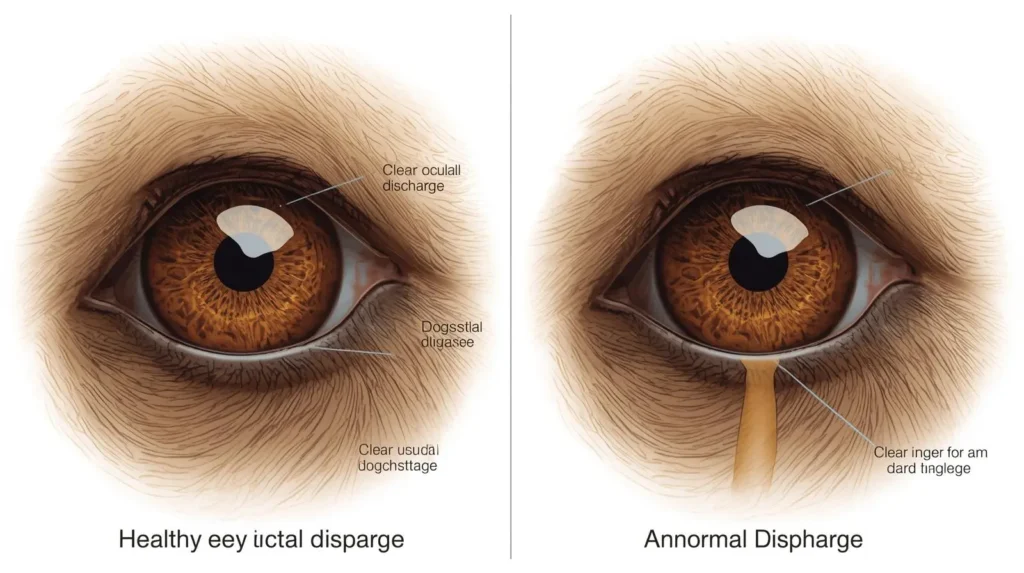
That brownish crust you see in the morning? It’s mostly dried tears mixed with dust, pollen, and natural oils. In moderation, it’s harmless. But when it accumulates:
- It traps bacteria near the eye surface
- It can irritate sensitive skin around the eyes
- It may block tear ducts, leading to chronic tearing (“epiphora”)
For dogs with short snouts (like Pugs, French Bulldogs, or Shih Tzus), this risk is even higher. Their shallow eye sockets and protruding eyes make them more vulnerable to dryness, scratches, and infection.
💡 Fun fact: Dogs don’t have the same blinking reflex as humans. They blink less frequently, so debris doesn’t get naturally flushed away as easily. That’s why gentle cleaning helps!
Emotional Connection Through Care
Beyond health, eye cleaning is a quiet moment of connection. When you touch your dog softly, speak in a calm voice, and move slowly, you’re telling them: “I’ve got you.” For anxious or rescued dogs, these rituals build deep trust.
What Supplies Do I Need? (No Fancy Tools Required!)
You don’t need expensive products. In fact, less is more when it comes to your dog’s delicate eyes.
✅ The Essential Toolkit
| Item | Why It’s Safe | What to Avoid |
|---|---|---|
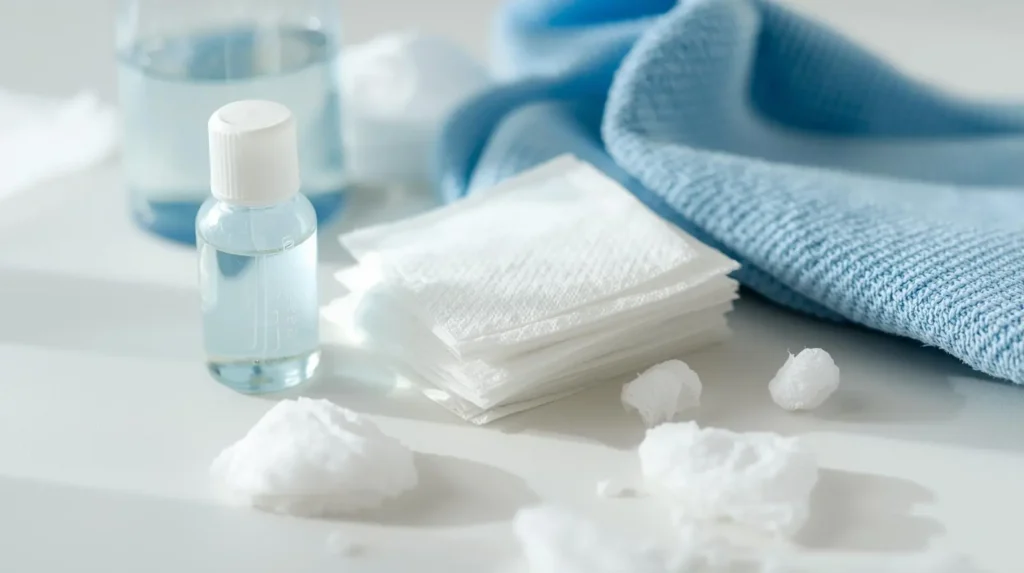
| Sterile saline solution (0.9% sodium chloride) | Same as human contact lens rinse—non-irritating, pH-balanced | Tap water (can contain bacteria or chlorine) |
| Cotton balls or sterile gauze pads | Soft, lint-free, disposable | Cotton swabs (Q-tips)—they can poke the eye or push debris inward |
| Clean, soft microfiber cloth | Great for drying or wiping outer fur | Paper towels—they’re too rough |
| Treats or verbal praise | Positive reinforcement = stress-free experience | Forcing or scolding—creates fear |
🛒 Pro tip: Keep a small “eye care kit” in your grooming drawer or travel bag. A travel-sized saline bottle and a few gauze pads take up almost no space!
Can I Use Homemade Solutions?
Many blogs suggest chamomile tea, coconut oil, or diluted apple cider vinegar—but vets strongly advise against DIY eye washes. Even natural ingredients can disrupt your dog’s tear film or cause allergic reactions.
Stick with sterile saline or a vet-formulated canine eye cleaner (like Vetericyn or Nutri-Vet Eye Rinse). They’re affordable, widely available online, and designed specifically for dogs.
Step-by-Step: How to Clean My Dog’s Eyes Without Stress
Follow this gentle routine once or twice a week—or daily if your dog has chronic tearing (common in white-furred breeds like Maltese or Bichons).
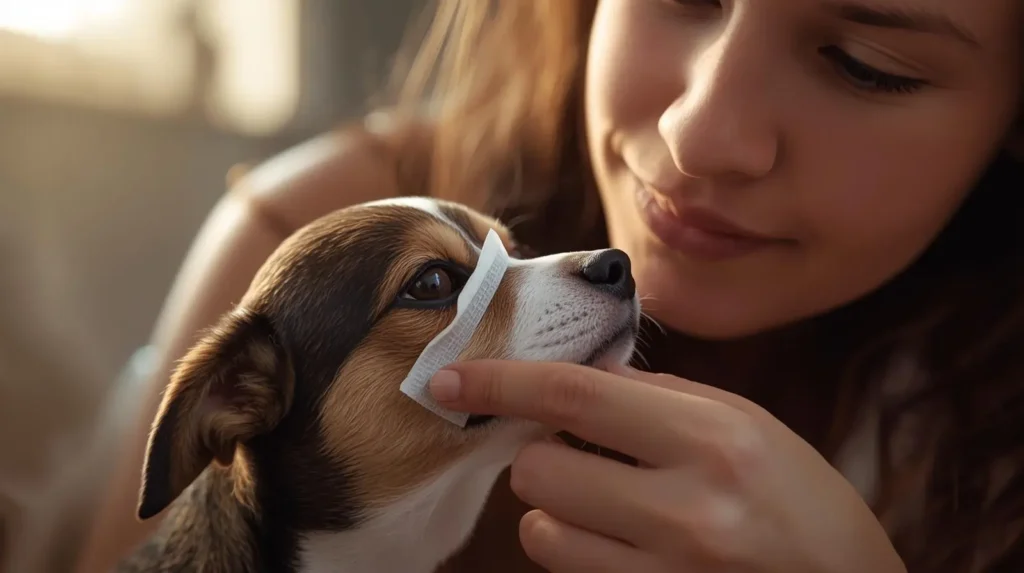
Step 1: Set the Mood (Yes, Really!)
Dogs pick up on your energy. If you’re rushed or tense, they’ll feel it.
✅ Do this first:
- Choose a quiet room with soft lighting
- Sit on the floor or couch at your dog’s level
- Pet them calmly for 1–2 minutes before starting
- Have treats ready (but don’t offer yet—wait for cooperation)
🐾 For nervous dogs: Practice “touch training” first. Gently tap near their eye and reward. Repeat over several days until they relax.
Step 2: Inspect Before You Wipe
Hold your dog’s chin gently and look closely at both eyes.
Normal signs:
- Clear or slightly cloudy tears
- Light brown crust in corners
- Bright, open eyes with no redness
🚨 Stop and call your vet if you see:
- Yellow, green, or thick white discharge
- Swelling or puffiness around the eye
- Squinting, pawing, or rubbing the face
- Cloudiness or a visible third eyelid
- One eye more watery than the other
These could signal conjunctivitis, corneal ulcers, allergies, or blocked tear ducts—all needing professional care.
Step 3: Moisten the Crust
Never pull or scrape dried gunk—it hurts and can damage tiny hairs around the eye.
Instead:
- Soak a cotton ball or gauze pad with room-temperature saline
- Hold it gently against the crust for 10–15 seconds to soften it
- Let the moisture do the work—don’t rub hard
💧 Note: Warm (not hot!) saline feels soothing. Test it on your wrist first, like baby formula.
Step 4: Wipe from Inner to Outer Corner
Use a fresh piece of gauze or cotton for each eye to avoid cross-contamination.
- Start at the inner corner (near the nose)
- Wipe outward toward the ear in one smooth motion
- Use light pressure—think “feather touch”
- Fold the gauze after each pass to use a clean surface
Repeat until no more debris comes off. Most dogs need just 2–3 wipes per eye.
Step 5: Dry Gently (If Needed)
If the fur around the eyes is damp, pat it dry with a clean microfiber cloth. Moisture left behind can cause skin irritation or staining (especially in light-colored dogs).
🌟 Bonus: For white dogs with tear stains, ask your vet about enzymatic stain removers—never use bleach-based products!
Step 6: Reward & Reconnect
Immediately after, give a treat, belly rub, or cheerful praise: “Good job, sweetie! You’re such a brave pup!”
This positive association makes future cleanings easier—and builds trust.
Which Breeds Need Extra Eye Care?
Not all dogs are created equal when it comes to eye health. Here’s what to know:
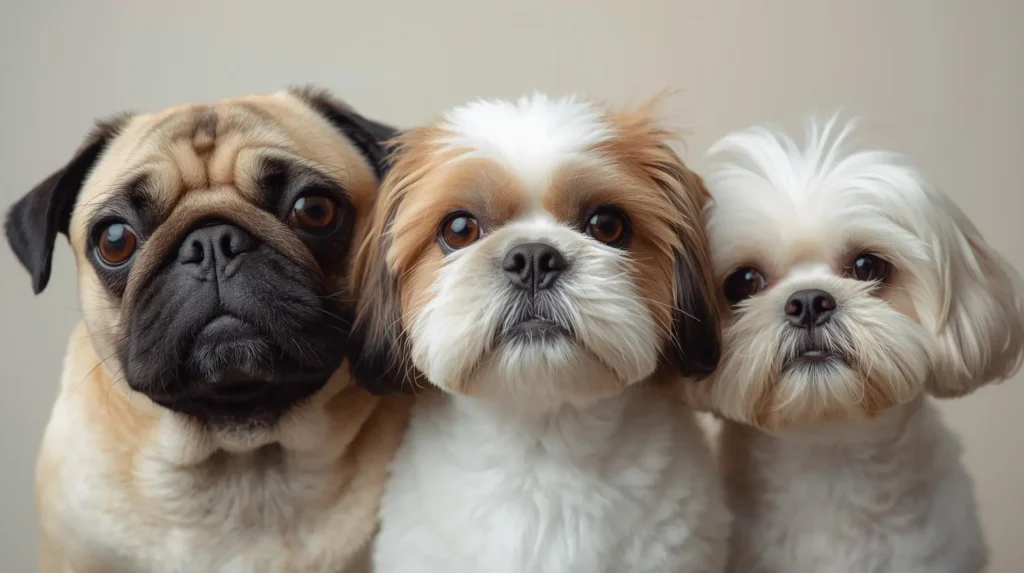
🐕 Brachycephalic Breeds (Flat-Faced Dogs)
- Examples: Pug, Bulldog, Boston Terrier, Shih Tzu
- Why: Shallow eye sockets = eyes stick out more → dry faster, collect more debris
- Care tip: Clean daily, use lubricating eye gel (vet-approved) if recommended
🐕 Long-Haired Breeds
- Examples: Lhasa Apso, Yorkshire Terrier, Maltese
- Why: Hair around eyes traps moisture and irritants
- Care tip: Keep hair trimmed or tied back with pet-safe clips; clean after walks
🐕 Senior Dogs (7+ Years)
- Why: Tear production decreases with age → eyes get dry and irritated
- Care tip: Watch for cloudiness (could be cataracts); schedule annual eye checks
What NOT to Do: Common Mistakes That Hurt More Than Help
Even well-meaning pet parents can accidentally cause harm. Avoid these pitfalls:
❌ Using human eye drops
→ Ingredients like vasoconstrictors (in redness relievers) are toxic to dogs.
❌ Wiping with dry paper towels or tissues
→ Too abrasive; can scratch the cornea.
❌ Cleaning only when there’s visible gunk
→ Prevention is key! Weekly cleaning catches issues early.
❌ Ignoring one eye because it “looks fine”
→ Always check both—even if only one seems problematic.
❌ Rushing the process
→ Stress raises your dog’s heart rate and makes them resistant next time.
When Should I Call the Vet?
While home care works for routine maintenance, some symptoms need immediate attention:
- Green/yellow pus-like discharge → likely bacterial infection
- Red, swollen eyelids → possible allergic reaction or trauma
- Cloudy or bluish tint in the eye → corneal injury or glaucoma
- Excessive blinking or squinting → pain indicator
- Third eyelid showing (pink membrane in corner) → sign of illness
⏰ Golden rule: If symptoms last more than 24 hours or worsen, call your vet. Early treatment prevents permanent damage.
How Can I Make This Part of Our Routine?
Think of eye cleaning like brushing your dog’s teeth or checking their paws—it’s preventive love.
Try this weekly routine:
- Sunday evening: After dinner, during calm time
- Pair it with another care task: Brushing, ear check, or paw massage
- Use the same gentle words each time: “Let’s take care of those pretty eyes…”
- End with play or cuddles—so it’s never just “work”
Over time, your dog will learn to lean into your hand during cleaning. That’s the magic of consistent, kind care.
FAQ: Your Top Questions Answered
❓ Can I use bottled water instead of saline?
No. Bottled water isn’t sterile and may contain minerals or microbes that irritate eyes. Stick with 0.9% sterile saline.
❓ How often should I clean my dog’s eyes?
- Most dogs: 1–2 times per week
- Brachycephalic or tear-stain-prone breeds: Daily
- After walks in dusty/pollen-heavy areas: As needed
❓ My dog hates eye cleaning—what now?
Start slow:
- Touch near (not on) the eye and reward
- Progress to holding saline near their face
- Build up over 3–5 days
- Never force—patience wins every time
❓ Are tear stains dangerous?
Usually not—but they can indicate underlying issues like allergies, ingrown eyelashes, or blocked ducts. If stains appear suddenly or with redness, see your vet.
❓ Can diet affect eye health?
Yes! Omega-3 fatty acids (from fish oil) support tear production and reduce inflammation. Ask your vet about supplements.
Final Thought: Small Acts, Big Love
Cleaning your dog’s eyes takes less than two minutes—but it speaks volumes. In that quiet moment, you’re not just preventing infection. You’re saying: “I notice you. I protect you. You matter.”
And for a young woman building a life with her first dog? That’s everything.
So go ahead—gather your saline, sit close, and care for those bright, trusting eyes. Your pup will thank you with wags, licks, and a lifetime of loyalty.
Loved this guide?
👉 [Read next: How to Bathe Your Dog Without Stress]
👉 [Explore our Complete Grooming Checklist for New Dog Owners]
Disclaimer: This article is for informational purposes only and does not replace professional veterinary advice. Always consult your veterinarian for health concerns.

Meu nome é Igor Silva e sou apaixonado por animais desde criança. Dedico meu trabalho a compartilhar informações confiáveis e práticas sobre cuidados, saúde e bem-estar de animais de estimação.