
An In-Depth Guide to Keeping Your Canine Companion Calm and Safe During Fireworks Season
Introduction
Have you ever seen your dog trembling under the bed, ears pinned back, eyes wide with fear—just because of a few distant firecrackers? You’re not alone. Every year, millions of pet owners face the heart-wrenching reality of watching their furry friends panic during fireworks displays. What sounds like celebration to us can feel like terror to our dogs. In fact, studies suggest that up to 49% of dogs show signs of noise aversion, with fireworks being one of the most common triggers.
This isn’t just about a few minutes of barking or pacing—it’s a genuine stress response that can impact your dog’s long-term well-being. From elevated heart rates to destructive behavior or even attempts to escape, the consequences are real and sometimes dangerous. But here’s the good news: you can help your dog feel safe.
In this comprehensive guide, we’ll explore why fireworks frighten dogs, how their sensitivity to sound differs from ours, and—most importantly—what you can do to protect and comfort your pet. You’ll learn science-backed strategies, real-life tips from veterinarians and trainers, and proactive measures you can start implementing today. Whether it’s the Fourth of July, New Year’s Eve, or an unexpected neighborhood celebration, this article will equip you with everything you need to turn a night of fear into one of calm reassurance for your best friend.
So, let’s dive in—because every dog deserves to feel safe at home, even when the sky is booming.
Why Fireworks Terrify Dogs: Understanding Their Sensory World
To truly help our dogs, we first need to see the world through their eyes—or rather, their ears. Dogs hear sounds up to four times more acutely than humans. Frequencies that seem faint or muffled to us can land like thunderclaps in a dog’s auditory world. Fireworks don’t just “pop” to them—they explode with unpredictable, high-decibel intensity, often without warning.
Unlike thunderstorms (which may come with barometric pressure changes dogs can sense in advance), fireworks are sudden and arbitrary. One moment, all is quiet; the next, a deafening bang erupts from the sky. This unpredictability is deeply unsettling for animals whose survival instincts rely on pattern recognition and environmental control.
Moreover, dogs don’t understand context. They don’t know that fireworks signal celebration—they only register danger. To a dog, a loud noise could mean a predator is near, a rival is attacking, or their territory is under threat. Their fight-or-flight response kicks in instantly, flooding their system with adrenaline and cortisol. Even dogs with normally calm temperaments can become frantic.
Consider Luna, a golden retriever from Colorado. Every July 4th, her owner found her panting heavily and hiding in the bathtub. After consulting a vet behaviorist, they realized Luna wasn’t “overreacting”—she was genuinely terrified. This realization changed everything.
Understanding this isn’t about indulging a “silly fear.” It’s about empathy. Your dog isn’t being dramatic—they’re surviving. Once you grasp how overwhelming fireworks are from their perspective, you’ll be better equipped to offer real, effective comfort.
And that starts with preparation—before the first firework even lights up the night sky.
Recognizing the Signs of Firework Anxiety in Dogs
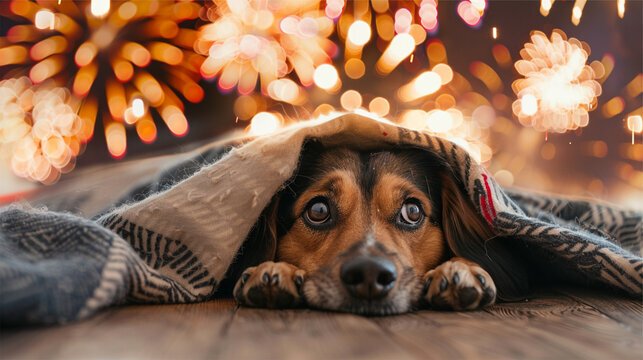
Not all dogs show fear in the same way. While some may howl or bolt for the door, others exhibit subtler signs that are easy to miss if you’re not looking closely. Being able to identify these signals early can make a huge difference in how quickly you intervene—and how much distress your dog endures.
Common signs of fireworks-related anxiety include:
- Panting (even when it’s not hot)
- Pacing or restlessness
- Whining, barking, or howling
- Trembling or shaking
- Hiding under furniture or in closets
- Drooling excessively
- Dilated pupils
- Attempting to escape (digging at doors, jumping fences)
- Loss of appetite or refusal to drink
- Accidents indoors (even in house-trained dogs)
Some dogs develop learned helplessness, where they shut down completely—lying motionless, eyes glazed, seemingly “zoned out.” This isn’t calmness; it’s a freeze response, another form of extreme stress.
It’s also worth noting that past experiences shape reactions. A dog that once had a traumatic encounter with fireworks may react more intensely in future years—even if the sounds are fainter. Conversely, some puppies might seem unfazed the first time but develop fear over repeated exposures, especially if they’re never comforted.
One key takeaway? Don’t punish or scold your dog for showing fear. Saying “it’s okay” in a soothing voice won’t reinforce anxiety—it offers reassurance. Ignoring or reprimanding them, however, can deepen their sense of isolation and dread.
If you notice these signs consistently—not just during fireworks but also during thunderstorms, construction noise, or even vacuum cleaner use—it might indicate a broader noise phobia. In such cases, early intervention with a vet or certified behaviorist can prevent escalation.
Remember: your dog is communicating. Listening—really listening—is the first act of protection.
Creating a Safe Haven at Home
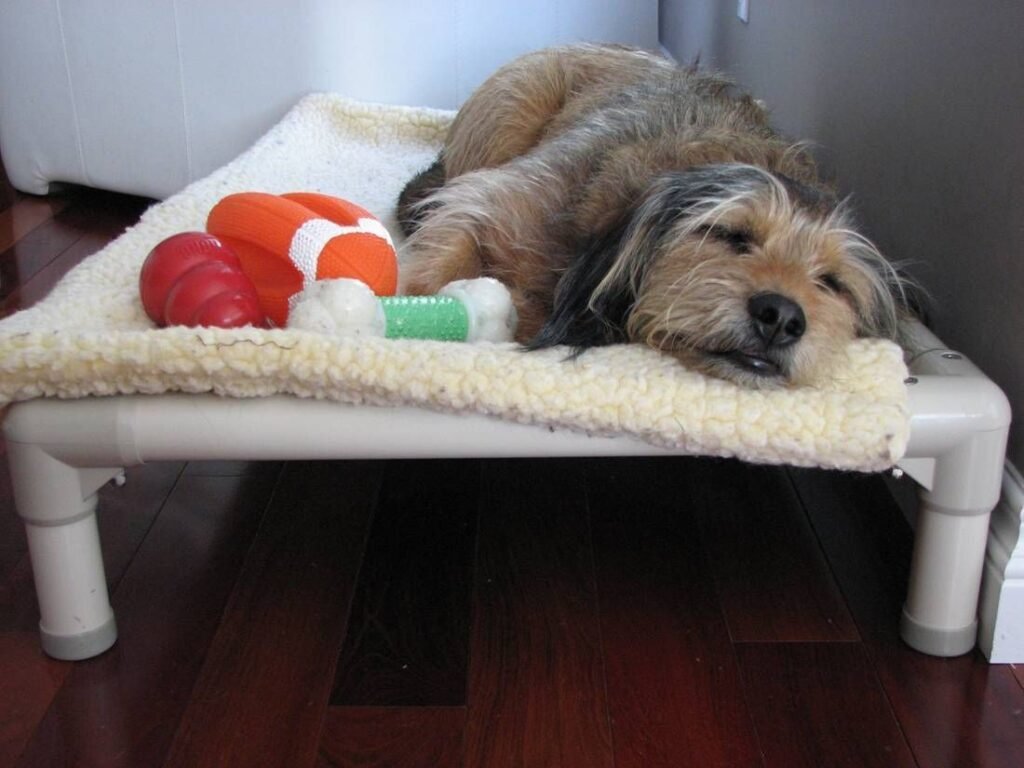
When fireworks are inevitable, your home can become your dog’s sanctuary—if you prepare it thoughtfully. The goal is to minimize sensory input and maximize comfort, transforming your space into a den-like retreat where your pet feels secure.
Start by choosing a quiet interior room, preferably without windows or with heavy curtains drawn. Basements, closets, or bathrooms often work well because they’re naturally insulated from outside noise. Avoid garages or yards—these feel exposed and increase escape risk.
Then, make the space inviting:
- Add familiar bedding—your dog’s favorite blanket or bed, ideally with your scent on it (sleep on it the night before or place a worn T-shirt nearby).
- Use white noise or calming music to mask sudden booms. Apps like Through a Dog’s Ear offer specially designed tracks that reduce canine stress.
- Keep lights on to muffle visual flashes from outside. A dim lamp is better than total darkness, which can heighten anxiety.
- Provide chew toys or food puzzles to encourage distraction and natural coping behaviors (chewing releases endorphins).
- Consider a crate—if your dog already associates it with safety. Never force a fearful dog into one; that can backfire dramatically.
One powerful tip: soundproof the area as much as possible. Thick rugs, heavy curtains, and even towels stuffed under doors can dampen noise. Some owners hang moving blankets over walls or windows for extra insulation.
Importantly, stay home if you can. Your presence alone is a powerful comfort. If you must go out, leave the TV or radio on at a moderate volume—something with human voices can be especially soothing.
Think of this safe room as your dog’s “panic room.” It’s not about hiding the problem—it’s about giving them control in a chaotic moment. Over time, with positive association, they may even seek it out before the noise begins.
Calming Aids and Products: What Works (and What Doesn’t)
The market is flooded with calming products for anxious dogs—some backed by science, others by clever marketing. So, which ones actually help during fireworks?
Let’s break down the most common options:
1. Thundershirts and Anxiety Wraps
These snug-fitting garments apply gentle, constant pressure to the dog’s torso—similar to swaddling a baby. Studies and anecdotal evidence suggest they work for about 70–80% of dogs, especially when combined with other strategies. The key? Proper fit and early introduction (don’t put it on for the first time during fireworks).
2. Calming Supplements
Ingredients like L-theanine, chamomile, melatonin, and CBD (where legal) can promote relaxation. Products like Zylkene (milk protein derivative) or Solliquin are vet-recommended and generally safe. However, results vary, and they work best when given 2–3 hours before the event. Always consult your vet before giving supplements—especially if your dog is on medication.
3. Pheromone Diffusers (Adaptil)
Adaptil mimics the natural calming pheromones mother dogs release to comfort puppies. Plug-in diffusers or collars can reduce general anxiety over time, though they’re less effective for acute, intense triggers like fireworks alone. Best used as part of a long-term plan.
4. Prescription Medications
For dogs with severe noise phobias, veterinary-prescribed anti-anxiety meds like trazodone, gabapentin, or Sileo (a gel applied to the gums) can be game-changers. Sileo, in particular, is FDA-approved for noise aversion and works within 30–60 minutes without heavy sedation. Never give human medications like Benadryl or Xanax without veterinary guidance—dosages and safety differ drastically.
What to Avoid
- “Miracle” sprays or essential oils (many are toxic to dogs or lack evidence).
- Punishment-based “desensitization” (like blasting firework sounds at high volume).
- Assuming your dog will “just get over it.”
Ultimately, combination therapy works best: a safe space + a Thundershirt + a vet-approved calming aid. Track your dog’s response and adjust year to year. What works for one dog may not for another—and that’s okay.
Your goal isn’t to sedate your pet into silence, but to restore their sense of safety.
Behavioral Training: Long-Term Solutions Beyond the Fireworks Night
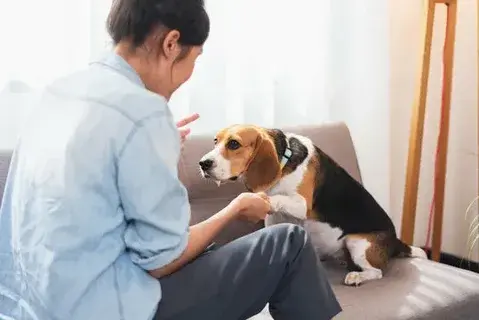
While immediate comfort is crucial, the most powerful protection comes from proactive behavioral training. The good news? You can start months before firework season—and see lasting results.
The cornerstone of long-term relief is desensitization and counterconditioning (D/CC). This science-based approach gradually exposes your dog to firework sounds at low volumes while pairing them with positive experiences—like treats, play, or cuddles. Over time, the brain rewires: bang no longer means danger—it means chicken appears.
How to do it:
- Get high-quality firework sound recordings (YouTube or specialized apps like Fear Free Fireworks).
- Start at the lowest possible volume—so faint your dog barely notices.
- While playing the sound, engage in happy activities: feed meals, play fetch, give favorite toys.
- If your dog shows any stress (lip licking, turning away, yawning), lower the volume or pause. Never push through fear.
- Slowly increase volume over weeks, always staying below the threshold that triggers anxiety.
- Keep sessions short (5–10 minutes) and positive.
Consistency matters more than speed. Ten minutes three times a week is better than one hour once a month.
Some dogs benefit from professional help. A certified veterinary behaviorist or Fear Free-certified trainer can create a customized plan, especially for severe cases.
Also, teach your dog a “safe” cue like “go to your mat” or “settle.” Pair it with rewards until it becomes a reliable anchor during stressful moments.
Remember: this isn’t about “curing” fear overnight. It’s about building resilience. Even partial improvement—like staying in the room instead of bolting—can transform a traumatic night into a manageable one.
And the best part? These skills generalize. A dog who learns to cope with firework sounds often handles thunderstorms, vacuums, or car rides better too.
What to Do on Fireworks Night: A Step-by-Step Action Plan
Even with preparation, the night of the event can feel overwhelming. Here’s your practical, minute-by-minute guide to keep your dog safe and calm:
Earlier in the Day
- Exercise your dog thoroughly. A long walk or play session burns off nervous energy and promotes tiredness.
- Feed a meal 2–3 hours before expected fireworks. A full belly can be grounding.
- Administer any supplements or medications as directed by your vet (timing is critical).
- Set up your safe room (bedding, white noise, lights, chew toys). Test your sound system.
- Ensure your dog is wearing an ID tag and is microchipped—just in case they escape.
As Fireworks Begin
- Stay calm yourself. Dogs pick up on your energy. Breathe deeply and speak in low, soothing tones.
- Let your dog choose where to go. Don’t force them into the safe room—but gently guide them if they seem lost.
- Offer comfort—but don’t coddle excessively. Gentle petting is fine; frantic “it’s okay!” cooing can signal that something is wrong. Act normal.
- Distract with a stuffed Kong, puzzle toy, or favorite game (if they’re receptive).
- Keep windows and curtains closed. Turn on fans, AC, or calming music to mask noise.
If Your Dog Panics
- Do not punish, yell, or restrain. This increases fear.
- Don’t force interaction—some dogs need space to self-soothe.
- If they hide, let them. Their chosen spot is where they feel safest.
- If they try to escape, calmly block exits but avoid chasing, which can escalate panic.
After the Show Ends
- Give quiet praise if they stayed calm.
- Check your yard for debris before letting them out next time (used fireworks can be toxic).
- Note what worked and what didn’t for next year’s plan.
Pro tip: Ask neighbors in advance when they plan to set off fireworks. Many will agree to give you a heads-up so you can prepare.
Your presence, preparedness, and patience are the most powerful tools you have.
Real Stories, Real Relief: How Other Dog Owners Made a Difference
Sometimes, knowing you’re not alone makes all the difference. Meet Sarah from Portland, whose German Shepherd, Max, used to shred doors trying to escape firework nights. After a scary incident where Max broke through a screen and ran three blocks, Sarah knew she had to act.
She worked with a trainer on D/CC, used a Thundershirt, and started giving Max melatonin 90 minutes before expected noise. By the next New Year’s Eve, Max still tensed at the first boom—but instead of bolting, he went to his crate, chewed his Kong, and stayed put. “It wasn’t perfect,” Sarah says, “but it was progress. And that meant everything.”
Then there’s Raj from Texas, who adopted a rescue dog, Daisy, just weeks before July 4th. Daisy had never seen fireworks—but her past included trauma. Raj played recorded sounds at ultra-low volumes daily, paired with peanut butter. On the actual holiday, he stayed home, played jazz music, and let Daisy sleep in his bed. “She woke up once, looked at me, and went back to sleep,” he recalls. “That trust was everything.”
These stories aren’t about magic fixes. They’re about consistency, compassion, and commitment. Every dog is different—but every dog can feel safer with the right support.
Your journey might look different, but the heart of it is the same: you see your dog’s fear, and you choose to help.
When to Seek Professional Help: Don’t Wait Until It’s an Emergency
If your dog’s fear of fireworks is severe—leading to self-injury, extreme escape attempts, vomiting, or complete shutdown—don’t suffer in silence. These are signs of a clinical noise phobia, and professional intervention can be life-changing.
A veterinary behaviorist (not just a general vet) specializes in anxiety disorders and can create a tailored treatment plan combining behavior modification and, if needed, medication. Many offer virtual consultations, making access easier than ever.
Even if you’re not in crisis, a proactive consultation before firework season can prevent escalation. Ask your regular vet for a referral, or search directories like the American College of Veterinary Behaviorists (ACVB) or the International Association of Animal Behavior Consultants (IAABC).
Remember: asking for help isn’t failure. It’s the ultimate act of care.
Conclusion: Your Love Is Their Lifeline
Fireworks may light up the sky, but they shouldn’t dim your dog’s sense of safety. As we’ve explored, your pet’s fear is real, rooted in biology and experience—but so is your power to help. From creating a quiet sanctuary and using vet-approved calming tools to investing in long-term behavioral training, every step you take builds a bridge from terror to trust.
You don’t need perfection. You don’t need to eliminate every sound. You just need to be present, prepared, and compassionate. Because in your dog’s world, you are their anchor—the one constant in a storm of noise and confusion.
So this firework season, don’t just hope for the best. Plan. Prepare. Protect. And remember: the calm you help create doesn’t just last one night—it strengthens your bond for a lifetime.
We’d love to hear from you! Has your dog struggled with fireworks? What strategies worked for you? Share your story in the comments below—your experience could be the lifeline another pet owner needs. And if this guide helped you, please share it with fellow dog lovers. Together, we can make every celebration a little safer for every dog.
After all, they give us unconditional love. The least we can do is give them peace.

My name is Igor Silva and I’ve been passionate about animals since childhood. I dedicate my work to sharing reliable, practical information about pet care, health, and well-being.