
Obesity in dogs has become increasingly common over the past decade, and the rise is no coincidence. As our own lifestyles have grown more sedentary and our access to convenient, calorie-dense foods has become effortless, our pets have followed the same trend. But canine obesity isn’t just about looks — it’s a genuine health concern that can shorten your dog’s lifespan, decrease its quality of life, and lead to a wide range of preventable conditions. From joint problems and diabetes to heart strain and chronic inflammation, excess weight puts unnecessary stress on your dog’s body. In this article, we’ll explore practical, everyday strategies to help you prevent obesity in your dog, even if you’ve struggled with this issue before.
We’ll dive into clear guidance on nutrition, exercise, feeding habits, emotional factors, and how your home environment plays a role in maintaining a healthy weight. You’ll find actionable steps that any dog owner can start using today, even with a busy schedule. And while preventing obesity may sometimes feel overwhelming, you’ll see that small, consistent actions can make a huge difference. Whether you’re a first-time dog owner or someone who has shared a home with pets for years, this guide will give you a fresh understanding of how to keep your dog healthy, active, and thriving for many years to come.
Understanding What Causes Canine Obesity
To prevent canine obesity, it’s essential to understand the root causes. Many owners believe dogs become overweight simply because they eat too much, but the reality is more complex. A combination of lifestyle, genetics, environment, feeding habits, and even the owner’s behavior plays a role. When you grasp these underlying factors, you’re much better prepared to intervene before your dog gains excess weight.
One of the most common causes of obesity in dogs is excessive calorie intake. Dogs don’t require as many calories as many people assume, especially indoor dogs who spend much of their time resting. A dog that naps throughout the day but is fed like a high-activity working dog will inevitably gain weight. Adding table scraps, treats, and snacks only magnifies the problem. For many owners, giving food becomes an expression of love, but dogs don’t interpret it the same way. They simply recognize patterns — if begging results in treats, they’ll continue begging, and the owner may continue giving in without realizing how many calories they’ve added to the daily count.
Genetics can also contribute to obesity. Some breeds naturally tend to gain weight more easily than others. Labrador Retrievers, Beagles, Pugs, Bulldogs, and Basset Hounds, for instance, tend to develop excess weight faster than breeds like Greyhounds or Border Collies. This doesn’t mean your dog is destined to become obese — it just means you need to be more proactive. By knowing your dog’s breed tendencies, you can adjust diet and exercise routines early on.
A less obvious cause of obesity comes from lack of exercise. Many owners believe that letting a dog roam around a backyard counts as adequate physical activity. But most dogs, especially those with low drive or calm temperaments, will simply lounge around unless encouraged to move. Regular walks, interactive play, and mentally stimulating activities burn calories and keep muscles strong. Without them, even a balanced diet may still lead to weight gain.
Emotional factors also play a role. Boredom can cause dogs to overeat, just as stress can drive some dogs to seek extra food. Dogs left alone for long hours might use eating as a comfort activity. Owners sometimes contribute to this mistakenly by offering treats to “cheer up” a dog or compensate for lack of time spent together. While the intention is loving, the result can be harmful in the long term.
Understanding these causes sets the foundation for effective prevention. When you realize that obesity is rarely the result of a single factor, you’ll be better prepared to support your dog in multiple ways — through nutrition, exercise, emotional well-being, and consistent daily habits. With this awareness, we can now explore more specific strategies to help maintain a healthy weight and vibrant life for your furry companion.
Building Healthy Feeding Habits
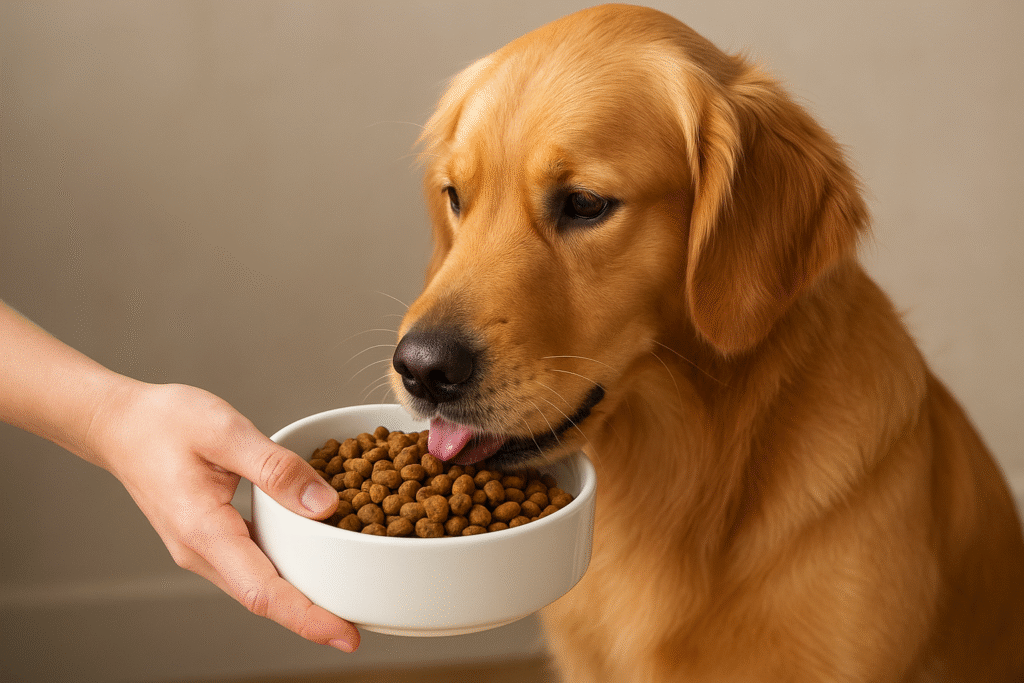
Once you understand why dogs gain weight, one of the most effective ways to prevent obesity is to establish healthy feeding habits. These habits go far beyond simply choosing the right food — they include timing, portion control, consistency, and the way you communicate with your dog around food. The good news is that once these habits are established, they can easily become part of your dog’s routine.
The foundation of healthy feeding begins with portion control. Many owners mistakenly rely on the feeding instructions found on dog food bags. These guidelines are often based on the needs of highly active dogs and don’t take into account your dog’s age, lifestyle, or metabolism. A better approach is to calculate calories. Most dogs need far fewer calories than owners assume. Indoor dogs, seniors, spayed or neutered dogs, and dogs with calmer temperaments generally require fewer calories. You can start by discussing calorie recommendations with a veterinarian or using trusted pet nutrition resources to determine the appropriate daily range.
Establishing scheduled feeding times also helps prevent obesity. Free-feeding — leaving food available all day — encourages constant snacking and makes it hard to track how much your dog is eating. Instead, feed two or three measured meals per day. This method not only helps regulate calorie intake but also supports digestion and keeps your dog’s energy levels stable. Dogs thrive on routine, and scheduled feeding reinforces healthy habits.
Treats are another major contributor to obesity. Owners often underestimate how many calories treats contain. Some treats are equivalent to a human eating an entire chocolate bar. To prevent overfeeding, follow the “10% rule”: no more than 10% of your dog’s daily calories should come from treats. Consider switching to low-calorie options like carrot sticks, green beans, or small pieces of apple (without seeds). You can also break commercial treats into smaller pieces — your dog will enjoy them just as much.
Communication plays a surprising role in feeding habits. Dogs quickly learn that begging works if the owner gives in. If your dog begs at the table, it’s essential to set firm boundaries. Everyone in the household must follow the same rules, or the dog will continue seeking opportunities. Feeding scraps, especially high-fat or high-sugar foods, dramatically increases calorie intake and may even cause digestive issues. Redirect begging behavior by offering attention, play, or a toy instead of food.
Creating emotional balance around feeding is equally important. Some dogs associate food with affection because their owners consistently give treats during bonding moments. Try replacing food rewards with verbal praise, petting, interactive play, or short training sessions. These alternatives strengthen your bond without contributing to weight gain.
Healthy feeding habits are not about strict rules or depriving your dog. They’re about creating a predictable environment where your dog receives the right amount of food, at the right times, with the right mindset. When feeding becomes structured rather than emotional, your dog is much more likely to maintain a stable weight. This approach makes it easier to identify changes in appetite, detect early signs of health issues, and ensure your dog enjoys a long, healthy life.
The Role of Exercise in Preventing Obesity
While healthy feeding habits lay the groundwork for weight management, exercise is the other half of the equation. Without adequate physical activity, even the most carefully controlled diet may not be enough to prevent obesity. Exercise doesn’t have to be complicated or intense — it just needs to be consistent, enjoyable, and appropriate for your dog’s age, breed, and energy level.
Regular walks are the most accessible form of exercise for most dogs. But for weight prevention, a casual five-minute walk around the block isn’t enough. Aim for at least two moderate-paced walks per day, ideally totaling 45 to 60 minutes. For high-energy breeds like Border Collies or Huskies, you may need even more activity. Walking helps burn calories, strengthens muscles, stimulates the mind, and supports healthy digestion. It also offers valuable bonding time between you and your dog.
Playtime is another powerful tool for preventing obesity. Games like fetch, tug-of-war, hide-and-seek, or even indoor obstacle courses create bursts of physical activity that can be both fun and effective. Interactive toys, especially puzzle toys that encourage movement, engage your dog’s mind while promoting calorie burn. These activities are especially helpful for dogs who become bored easily or those left alone for long periods during the workday.
Mental stimulation is a hidden ally in weight management. Dogs that are mentally satisfied are less likely to engage in stress eating or boredom snacking. Activities like nose-work games, treat-dispensing toys (using low-calorie options), or obedience training provide mental challenge and strengthen your communication with your dog. This type of stimulation reduces anxiety, destructive behavior, and overdependence on food as entertainment.
For dogs that enjoy structured exercise, consider activities like swimming, hiking, agility training, or dog sports. Swimming is especially beneficial for overweight dogs or those with joint issues, as it offers resistance training without impact. Agility classes provide cardiovascular exercise along with mental engagement. Hiking lets your dog explore new environments while getting a vigorous workout.
It’s important to adjust exercise routines based on your dog’s age. Puppies need short bursts of play and exploration rather than long walks that may strain growing joints. Adult dogs benefit from structured routines, while senior dogs may require gentle exercise like slow walks or swimming. Always pay attention to your dog’s signals — heavy panting, lagging behind, limping, or excessive fatigue means you should slow down.
Consistency is more important than intensity. A dog who exercises moderately every day will be healthier than one who has intense activity once a week. Regular routines prevent weight gain by keeping metabolism active and improving muscle tone. Plus, exercise boosts mood, reduces anxiety, and strengthens the bond between you and your dog, making it a holistic solution for overall health.
By incorporating varied and consistent exercise into your dog’s daily life, you significantly reduce the risk of obesity. Most importantly, you create a lifestyle that keeps your dog engaged, active, and fulfilled. Combined with healthy feeding habits, exercise becomes a powerful defense against weight gain.
Environmental and Emotional Factors That Affect Weight
Preventing obesity isn’t just about food and exercise — your dog’s home environment and emotional well-being also influence its weight. Many dogs gain weight due to stress, boredom, or lack of mental stimulation. By addressing these factors, you can support healthier habits that prevent overeating and inactivity.
A predictable routine helps dogs feel secure. Dogs thrive on structure, and when they know what to expect throughout the day, they’re less likely to engage in stress-driven behaviors like overeating. Create a daily schedule that includes feeding times, exercise, playtime, and rest. This routine helps regulate appetite and reduces anxiety, which can lead to emotional eating.
Your dog’s environment also plays a role in preventing obesity. A clutter-free space encourages movement, while access to toys and safe play areas promotes physical activity. Consider rotating toys to maintain interest. Having a variety of textures, shapes, and sounds keeps your dog engaged and encourages play as a natural form of exercise.
Social interaction matters as well. Dogs are social animals, and loneliness can lead to weight gain. A dog that spends long periods alone might become sedentary or develop comfort-seeking behaviors like overeating. If your schedule is demanding, consider enrichment options such as dog walkers, doggy daycare a few times a week, or playdates with other well-behaved dogs. These interactions offer mental stimulation, movement, and reduce emotional hunger.
Temperature and environment also affect activity levels. Dogs are less active in extremely hot or cold weather, which can lead to weight gain if food intake remains the same. In hot weather, adjust exercise routines by walking during cooler hours or providing indoor activities. In cold weather, try indoor games, short but frequent walks, and puzzle toys. Being mindful of seasonal changes ensures your dog maintains a consistent level of activity year-round.
Owners’ habits influence dogs more than many people realize. If your lifestyle is sedentary, your dog may mimic that behavior. Conversely, active owners often have active dogs. Simple changes in your own routine — like taking one additional walk per day or setting aside 10 minutes for play — can significantly impact your dog’s health. Dogs look to their owners for cues, so your energy often becomes their motivation.
Emotional feeding is another issue. Some owners offer treats as a way to comfort their dogs or cope with guilt over being busy. Over time, this creates an unhealthy association between food and emotional reward. Instead, use affection, play, or short training sessions to bond with your dog. These alternatives strengthen your relationship without contributing to weight gain.
Finally, mental health matters. Dogs experiencing stress, anxiety, or depression may eat more or exercise less. Changes in the household — such as new pets, new people, loud noises, or sudden schedule shifts — can influence behavior. Paying attention to your dog’s emotional needs helps maintain balance and prevents unhealthy coping mechanisms.
By addressing emotional and environmental factors, you create a supportive home that encourages healthy habits naturally. These adjustments help your dog maintain a stable weight while feeling secure, happy, and engaged.
Long-Term Strategies for Maintaining a Healthy Weight
Preventing obesity isn’t a one-time effort — it requires ongoing awareness and consistent habits. Long-term strategies ensure your dog not only loses excess weight but maintains a healthy balance throughout life. These strategies are about sustainability, not strictness.
One of the most effective long-term tools is regular weight monitoring. Weigh your dog at least once a month. Small fluctuations are normal, but consistent weight gain is a sign you need to adjust diet or activity levels. Keeping a simple record helps you track progress and catch problems early. Many veterinary clinics offer free monthly weight checks, which can be a helpful resource.
Body condition scoring (BCS) is another valuable method. Rather than relying solely on the scale, BCS evaluates fat distribution and muscle tone. You should be able to feel your dog’s ribs without pressing hard, and your dog should have a visible waist when viewed from above. Learning how to evaluate your dog’s body condition gives you immediate insight into whether your dog is maintaining a healthy physique.
Routine health checkups are important as well. Underlying medical conditions — such as thyroid issues, metabolic disorders, or joint pain — can contribute to weight gain. Regular vet visits ensure that you catch these issues early and adjust your dog’s care plan accordingly.
Adjusting calorie intake as your dog ages is essential. Puppies, adults, and seniors have different nutritional needs. Senior dogs, in particular, require fewer calories but still need high-quality protein to maintain muscle mass. Changing your dog’s diet as it transitions through life stages helps prevent unnecessary weight gain.
Setting realistic goals makes weight management sustainable. Instead of aiming for rapid weight loss, focus on gradual progress. A slow, steady approach is healthier for your dog’s metabolism and easier to maintain long term. Celebrate small victories, like improved mobility, increased energy, or a stronger appetite for exercise.
Environmental enrichment is another long-term strategy. Keeping your dog mentally and physically engaged prevents boredom, which reduces emotional eating and encourages natural activity. Rotate toys, introduce new activities, and vary your walking routes. Even small changes help maintain interest and motivation.
Finally, create a supportive household environment. Everyone who interacts with your dog — including family members, visitors, and caregivers — should follow consistent rules about feeding and treats. Mixed messages can undermine your efforts. When everyone works together, maintaining a healthy weight becomes much easier.
With ongoing awareness, consistent routines, and long-term planning, your dog can maintain a healthy weight for life. These strategies not only prevent obesity but also enhance overall well-being, ensuring your furry friend enjoys a long, active, and joyful life.
A Healthier Future for Your Dog
Preventing canine obesity is a journey built on awareness, consistency, and genuine care. Throughout this article, we explored the many factors that influence your dog’s weight — from feeding habits and exercise routines to emotional balance and environmental conditions. When you understand how these elements work together, you gain the power to make meaningful changes that support your dog’s long-term health.
The most important takeaway is that small, steady adjustments make the biggest impact. You don’t need drastic routines or complicated strategies. Instead, focus on daily choices: measured meals, regular walks, mental stimulation, and emotional connection. These habits not only prevent obesity but enrich your dog’s life in countless ways.
Your dog depends on you for guidance, structure, and care. By applying the tips outlined here, you’re investing in a future where your dog enjoys more energy, freedom, and comfort. Think of every healthy choice you make as an act of love — one that strengthens your bond and adds years of joy to your companionship.
Now it’s your turn:
What’s the first change you’re planning to make to support your dog’s healthy weight?

My name is Igor Silva and I’ve been passionate about animals since childhood. I dedicate my work to sharing reliable, practical information about pet care, health, and well-being.