
Seeing your beloved companion constantly scratch can be incredibly frustrating. You want nothing more than to provide relief and restore their comfort. This guide offers practical, vet-approved strategies to manage your pet’s skin wellness.
Canine dermatitis is a frequent skin condition. It causes inflammation, redness, and persistent scratching. This discomfort can seriously impact your furry friend’s quality of life.
A proactive approach is the most effective way to manage your pet’s skin health. Understanding the root causes and common triggers empowers you to take action before minor issues escalate.
Our comprehensive guide covers everything from spotting early warning signs to identifying allergens. You will learn about beneficial dietary changes, proper grooming routines, and smart environmental adjustments.
We will explore both simple home remedies and professional treatment options. This knowledge helps you make informed decisions about caring for your pet at home and knowing when to seek veterinary advice.
Maintaining excellent skin condition requires a multi-faceted strategy. Combining proper nutrition, regular grooming, and vigilant monitoring creates a strong foundation for long-term wellness.
By following the evidence-based methods outlined here, you can help your dog enjoy a happier, more comfortable life with significantly fewer skin-related flare-ups.
Key Takeaways
- Proactive care is the best strategy for managing your dog’s skin health.
- Understanding common triggers and allergens is crucial for prevention.
- A combination of diet, grooming, and environment management is essential.
- Recognizing early signs of irritation allows for quicker intervention.
- Both home care and veterinary guidance have important roles.
- Consistent monitoring helps maintain long-term skin comfort for your pet.
Understanding Dermatitis and Itching in Dogs
Many pet owners first notice skin problems when their dog begins scratching excessively. Dermatitis is an inflammatory skin condition that causes visible discomfort through redness and persistent itching.
Common symptoms include red, inflamed skin and constant scratching. You might also notice hair loss in affected areas, hardened scales or scabs, and darkened skin patches. Some dogs develop pustules or show continuous licking at specific body parts.
Common Symptoms and Signs
Contact dermatitis typically appears on areas with less fur protection. These regions include the muzzle, around the eyes, armpits, belly, groin, and paws. Pressure points like elbows and ankles are also vulnerable due to direct allergen exposure.
| Symptom | Appearance | Common Locations |
|---|---|---|
| Redness & Inflammation | Pink or red patches | Belly, groin, paws |
| Hair Loss | Bald spots or thinning | Pressure points, armpits |
| Skin Changes | Scales, scabs, darkening | Muzzle, around eyes |
Root Causes and Allergens
This condition occurs when allergens trigger an immune response. These protein molecules from fabrics, plants, or detergents cause antibody production leading to inflammation.
Your dog needs regular allergen exposure over six months to two years before reactions develop. This sensitization process means symptoms appear gradually rather than immediately.
“Understanding these early signs allows for quicker intervention and better management of your dog’s skin health.”
Common triggers include plants, detergents, mulch, carpets, plastics, and chemicals. While any breed can develop this condition after six months of age, fur provides natural protection making contact dermatitis relatively uncommon.
Identifying Skin Irritation and Allergic Reactions
Your dog’s behavior often holds the key to identifying developing skin issues. Early recognition of warning signs allows for quicker intervention before minor problems become serious.
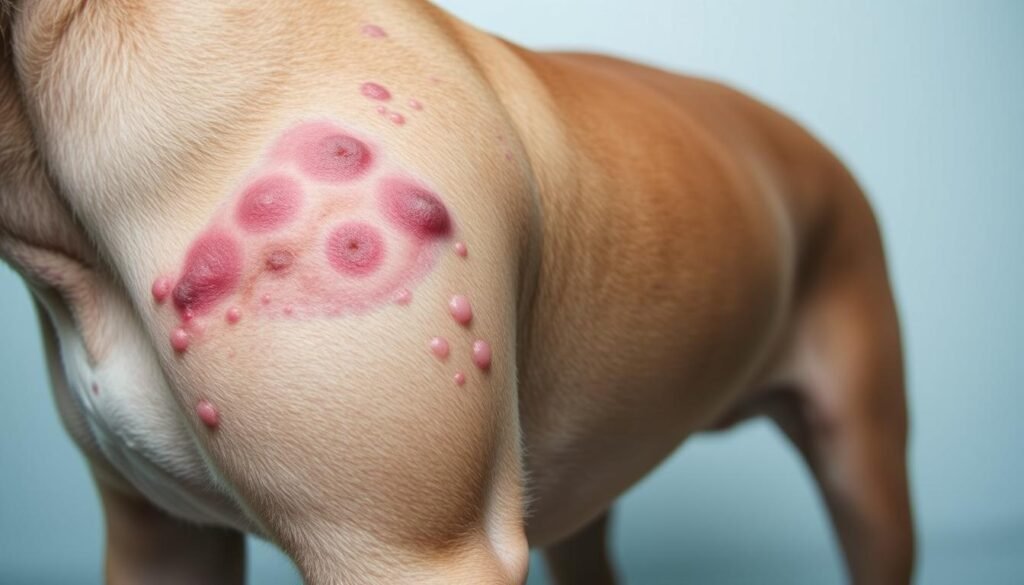
Watch for increased scratching at specific areas like paws or belly. Red or pink skin coloration and frequent licking are common early symptoms. You might notice mild hair thinning or behavioral changes like restlessness.
Recognizing Early Warning Signs
These signs often come and go depending on allergen contact. While mild skin irritation isn’t an emergency, close monitoring is crucial. Open sores can become infected, and persistent scratching can lead to complications.
Your dog may show discomfort through constant rubbing or biting at affected areas. These behavioral clues help you spot problems before they worsen.
When to Consult Your Veterinarian
Contact your vet if symptoms persist beyond a few days or home care doesn’t help. Specific situations warrant immediate attention from your veterinarian.
Watch for yellow or green eye discharge, squinting, or appetite changes. Bleeding sores, extensive hair loss, or pain responses also require professional evaluation.
Many skin conditions present similar symptoms, so your vet may recommend tests. These can include skin scrapings or fungal testing to rule out serious conditions.
Early intervention provides faster relief and prevents complications. Building a relationship with your veterinarian ensures accurate diagnosis and effective long-term skin health management.
How to Prevent Dermatitis and Itching in Dogs
Strengthening your dog‘s natural defenses against skin irritation requires attention to nutrition and hygiene. A comprehensive approach builds resilience from the inside out and protects against external triggers.
Dietary Considerations for a Healthy Skin Barrier
Your dog‘s diet plays a crucial role in skin health. Specialized food formulas like Hill’s Derm Complete strengthen the skin barrier and support immune function.
Omega-3 fatty acids in quality dog food reduce inflammation and promote coat vitality. These nutrients help your pet’s body manage allergens more effectively.
Choose ingredients meeting FDA recommendations for optimal nutritional support. If food sensitivities are suspected, work with your vet on elimination diet strategies.
Effective Grooming and Bathing Techniques
Regular brushing removes loose hair, dirt, and environmental allergens. This simple practice minimizes itching and improves overall skin condition.
Bathe your dog with gentle, hypoallergenic shampoos under veterinary guidance. Oatmeal-based, fragrance-free products work well for sensitive dog skin.
Proper bathing frequency removes pollen and dust particles that accumulate on the coat. Leave-in conditioners can provide ongoing protection between washes.
Effective Home Remedies and Treatment Options
When your canine companion shows signs of skin discomfort, several relief options exist. While prevention remains ideal, active symptoms benefit from a combination of approaches. These treatments range from simple home remedies to advanced veterinary medications.
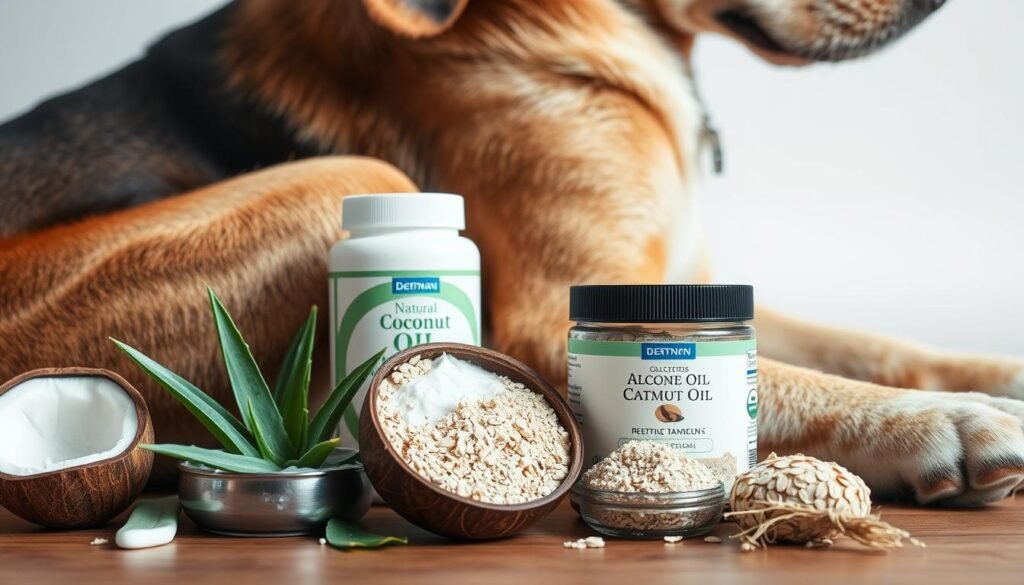
Various products can provide immediate comfort. Your veterinarian may recommend specific solutions based on your pet’s unique needs.
Over-the-Counter Products and Shampoos
Gentle, oatmeal-based shampoos offer soothing relief for dry, irritated skin. These fragrance-free formulations help remove surface allergens. For more severe conditions, antiseptic options containing chlorhexidine reduce bacterial and yeast populations.
Natural and Vet-Approved Home Remedies
Simple home solutions can complement other treatments. Epsom salt foot soaks for 5-10 minutes daily wash away environmental contaminants. Medicated wipes or mousses help manage localized inflammation areas.
Antihistamines like diphenhydramine require veterinary dosing guidance. Always consult your vet before administering any medication to ensure safety for your pet’s system.
Managing Secondary Infections
When bacterial or yeast infections develop, prescription medications become necessary. Antibiotics like cephalexin often pair with antifungal treatments such as fluconazole. Topical therapies with antibacterial properties support healing.
Newer prescription options like Zenrelia provide rapid itch control with single daily dosing. Your vet may recommend this treatment or alternatives like Apoquel for persistent symptoms.
| Treatment Type | Primary Function | Common Examples |
|---|---|---|
| OTC Shampoos | Soothing irritation | Oatmeal-based formulas |
| Home Remedies | Natural relief | Epsom salt soaks |
| Prescription Medications | Infection control | Zenrelia, antibiotics |
Combining these approaches addresses both symptoms and underlying causes. This comprehensive strategy helps restore your pet’s comfort and skin health effectively.
Professional Diagnosis and Veterinary Guidance
When your dog’s scratching continues despite your best efforts, professional guidance is needed. Many skin problems look similar, making accurate diagnosis essential for effective treatment.
Diagnostic Tests for Skin Conditions
Your vet begins with a visual examination. Lesion patterns on contact surfaces often suggest contact dermatitis.
Patch testing involves shaving a small area and applying suspected allergens. Your veterinarian monitors reactions over several days.
For complex cases, your vet may recommend additional tests. These include skin scrapings, fungal cultures, or biopsies to rule out other disease.
Prescription Medications and Follow-Up Care
When symptoms persist, your veterinarian may prescribe specific medications. Options include Zenrelia or Apoquel for itch control.
Some dogs require lifelong medication like cyclosporine. This reduces sensitivity when complete allergen avoidance isn’t possible.
Regular follow-up appointments ensure treatment effectiveness. Your vet adjusts approaches based on your dog‘s response.
The prognosis is generally good with proper diagnosis and management. Complex cases may benefit from veterinary dermatology consultation.
Lifestyle Strategies for Long-Term Skin Health
Creating a comfortable home environment is crucial for your dog’s long-term skin wellness. Sustainable protection requires ongoing environmental management and consistent grooming routines. These habits support your pet’s immune system and overall health.
Environmental Adjustments to Reduce Allergens
Start by creating a clean space that minimizes dust and pollen. These particles contribute to skin inflammation and trigger scratching episodes. Hypoallergenic bedding provides a cleaner resting area for sensitive skin.
Establish a consistent cleaning routine to remove airborne particles. This practice lowers the risk of inflammatory episodes. Control indoor humidity levels to maintain your dog’s skin barrier function.
Limit exposure to chemical irritants by choosing pet-safe cleaning products. Avoid harsh substances that can trigger adverse reactions. These adjustments create a healthier living area for your companion.
Regular Grooming and Nail Care
Consistent brushing removes loose hair, dirt, and allergens. This practice improves overall skin condition and minimizes itch frequency. Regular grooming sessions allow you to monitor your dog’s skin closely.
Nail trimming prevents scratching injuries that can break the skin barrier. Proper nail care reduces the risk of cut-induced infections. It also contributes to your dog’s overall comfort and mobility.
Schedule professional grooming appointments for thorough inspections. Expert groomers identify subtle signs of irritation or underlying conditions. Early detection helps address problems before they develop into more serious disease.
| Grooming Practice | Frequency | Primary Benefit |
|---|---|---|
| Brushing | 2-3 times weekly | Removes allergens and loose hair |
| Nail Trimming | Every 3-4 weeks | Prevents skin damage from scratching |
| Professional Grooming | Every 6-8 weeks | Comprehensive skin assessment |
These lifestyle strategies work with dietary management and veterinary care. They provide long-term protection against recurring skin conditions. Your consistent efforts create a foundation for lasting skin health.
Conclusion
Your commitment to proactive skin care makes a significant difference in your pet’s comfort. Managing skin conditions like dermatitis requires a comprehensive approach that combines multiple strategies.
Understanding root causes helps you identify triggers early. Proper diet, regular grooming, and environmental adjustments work together to reduce inflammation and scratching.
For persistent issues, your vet may recommend specific treatments or medications. Simple home remedies provide relief for mild cases, while professional advice ensures proper diagnosis.
With consistent care, most dogs experience significant improvement. Your veterinarian offers tailored advice for your dog’s unique needs, supporting long-term health and happiness.
FAQ
What are the most common causes of a dog’s constant scratching?
Your dog’s persistent scratching can stem from several issues. Common culprits include environmental allergens like pollen or dust mites, food allergies to ingredients such as beef or chicken, and parasites like fleas. Sometimes, underlying health problems, including yeast or bacterial infections, are to blame. A proper diagnosis from your veterinarian is key.
Can I use human shampoo on my dog to help with skin irritation?
It’s best to avoid using human shampoo on your pet. A dog’s skin has a different pH balance than human skin. Using the wrong product can strip natural oils, leading to more dryness and irritation. Opt for a gentle, hypoallergenic dog shampoo like Veterinary Formula Clinical Care to soothe their skin safely.
How can my dog’s diet impact their skin health?
Your dog’s diet plays a huge role in their skin condition. Foods rich in omega-3 and omega-6 fatty acids, found in fish oil or brands like Hill’s Science Diet Sensitive Stomach & Skin, help support a healthy skin barrier. If a food allergy is suspected, your vet may recommend an elimination diet with a novel protein source.
When should I be concerned about my dog’s itching and seek a vet?
You should consult your veterinarian if your dog’s scratching is intense, leads to hair loss, causes open sores, or doesn’t improve within a few days. Other red flags include persistent licking of paws, recurring ear infections, or signs of pain. These symptoms could indicate a more serious condition requiring professional treatment.
Are there effective home remedies I can try for my dog’s itchy skin?
Yes, some vet-approved home remedies can offer relief. An oatmeal bath can soothe inflammation. Applying a cool compress to hot, itchy areas may also help. Always discuss any home treatments with your vet first, especially before using anything like coconut oil, to ensure it’s safe for your dog’s specific situation.
What kind of diagnostic tests might my vet perform for a skin condition?
To pinpoint the cause of your dog’s skin issues, your veterinarian might perform several tests. These can include a skin scraping to check for mites, a cytology test to look for yeast or bacteria, or an intradermal skin test for allergies. In some cases, a blood test or a food trial may be necessary for a clear diagnosis.

My name is Igor Silva and I’ve been passionate about animals since childhood. I dedicate my work to sharing reliable, practical information about pet care, health, and well-being.