
Does your furry friend stare blankly when you throw a ball? Many pet owners assume all dogs naturally understand this classic game. The truth might surprise you!
While retrievers often chase objects instinctively, other breeds might need guidance. Some dogs never had toy exposure as puppies. They simply don’t know what to do with thrown items.
The good news? Any canine can learn this enjoyable activity. With proper training, even reluctant pets discover the joy of retrieval. This creates wonderful bonding moments and provides both mental and physical stimulation.
Ready to transform playtime? Our step-by-step guide will help your companion master this rewarding skill.
Key Takeaways
- Fetch doesn’t come naturally to all dogs – many need patient instruction
- Early toy exposure greatly influences a dog’s understanding of fetch
- Individual temperament affects how quickly dogs learn retrieval
- Consistent training methods can develop interest in reluctant dogs
- Playing fetch provides excellent mental and physical exercise
- This activity strengthens the bond between you and your pet
- Any dog can learn fetch with proper guidance and positive reinforcement
Why Teaching Fetch Benefits You and Your Dog
Have you ever wondered why this classic activity remains so popular among pet owners? The answer lies in the multiple benefits that extend far beyond simple amusement. This engaging pursuit offers advantages for both canine companions and their human families.
Physical Exercise and Mental Stimulation
Regular retrieval sessions provide excellent cardiovascular exercise for your companion. High-energy breeds particularly benefit from this active game. It helps maintain healthy weight and manages energy levels effectively.
The mental stimulation aspect cannot be overlooked. Your pet must focus intensely, track moving objects, and coordinate movements during each retrieval. This cognitive workout keeps their mind sharp and engaged.
Strengthening Your Bond Through Play
Shared playtime creates wonderful opportunities for connection. The joyful interaction during these sessions builds trust and deepens your emotional relationship. Both species experience mental wellness benefits through this positive engagement.
Quality time spent together reinforces your special bond. The happiness you share during this activity creates lasting memories and strengthens your partnership.
Improving Obedience and Communication
Consistent retrieval practice naturally enhances your pet’s responsiveness. They learn to interpret your cues while you become better at reading their signals. This mutual understanding improves overall cooperation.
The training aspect helps reduce destructive behavior by providing appropriate outlets. Your companion learns valuable lessons about following directions and working together.
| Benefit Type | For Your Dog | For You |
|---|---|---|
| Physical Health | Cardiovascular exercise, weight management | Light activity, fresh air |
| Mental Wellness | Focus development, coordination skills | Stress relief, joy of interaction |
| Relationship Building | Trust development, bond strengthening | Deeper connection, better understanding |
| Training Value | Improved obedience, better communication | Enhanced leadership, clearer guidance |
This rewarding activity offers something valuable for everyone involved. The combination of physical and mental benefits makes it an ideal choice for quality time together. Both you and your furry friend will appreciate the positive changes it brings to your relationship.
Getting Started: Essential Supplies and Preparation
Before your canine companion can master retrieval, you’ll need the right equipment and setup. Proper preparation makes the learning process smoother and more enjoyable for both of you.
Choosing the Right Toys for Your Dog
Selecting the perfect toy makes a huge difference in retrieval success. Different dogs prefer various textures and shapes.
Offer multiple options to discover what excites your pet most. Tennis balls, plush animals, and food-dispensing toys all work well.
Consider your companion’s size and physical abilities. Smaller mouths need smaller objects. Older pets may prefer softer materials.
Popular choices include rubber bumpers, flexible discs, and rope toys with rubber attachments. Each offers unique benefits for different play styles.
High-Value Treats and Training Tools
Motivation drives learning in this engaging game. High-value treats create positive associations with retrieval activities.
Find snacks your pet truly loves. These rewards encourage participation and build enthusiasm.
Clicker training enhances communication during sessions. The clear sound marks desired behavior precisely.
This method helps pets understand exactly what earns rewards. It’s particularly useful during early training stages.
Creating the Right Environment for Success
Location matters greatly for productive sessions. Choose quiet spaces with minimal distractions initially.
Familiar indoor areas often work best for beginners. As skills improve, you can gradually increase distance and move outdoors.
Ensure enough room for comfortable movement. Your pet needs space to chase, grab, and return with the object.
Remove competing stimuli that might divert attention. This focused setting helps your companion concentrate on the task.
| Toy Type | Best For | Considerations |
|---|---|---|
| Tennis Balls | Medium to large breeds | Standard size, easy to throw |
| Rubber Bumpers | All size ranges | Durable, various sizes available |
| Plush Toys | Gentle chewers | Soft texture, appealing to many |
| Flexible Discs | Active retrievers | Great for catching mid-air |
| Rope Toys | Strong chewers | Good for tugging after retrieval |
| Food-Dispensing | Food-motivated pets | Extra incentive for participation |
Remember that every pet has unique preferences. What works for one might not excite another. Be patient while discovering your companion’s favorite toys.
The right combination of equipment and environment sets the stage for successful learning. Your preparation investment pays off in faster progress and more enjoyable sessions.
How to Teach Your Dog to Fetch Balls and Toys: Step-by-Step Training
Ready to transform your pet’s play habits? This systematic approach breaks down the retrieval process into manageable stages. You’ll build skills gradually while keeping sessions enjoyable for both of you.
Building Interest and Teaching the “Hold” Command
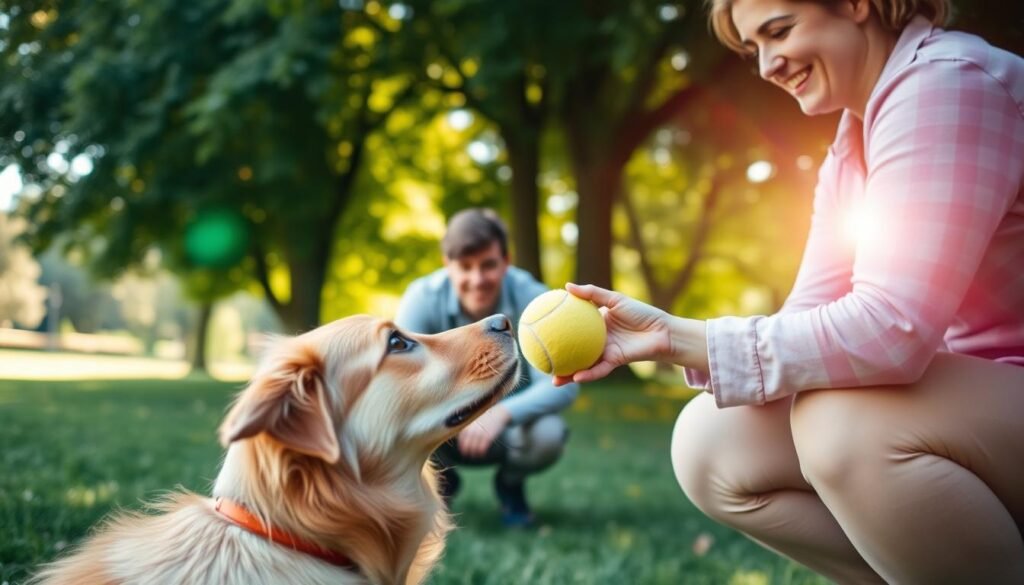
Begin by sparking curiosity about the toy. Sit comfortably with your companion and present their favorite object. Reward any investigation with enthusiastic praise and small treats.
Progress to rewarding mouth contact with the item. Use your marker word or clicker the moment their teeth touch it. This builds positive associations with holding objects.
Gradually increase duration before delivering rewards. Add half-second increments until your pet comfortably holds for several seconds. Introduce the verbal cue “hold” once they consistently maintain contact.
Progressing from Holding to Retrieving
Transition to having your companion take the object from your outstretched hand. Keep sessions short and rewarding to maintain interest. Celebrate every successful attempt with genuine excitement.
Next, place the item on the floor directly before you. Use your chosen retrieval command like “fetch” when they pick it up. This connects the action with the verbal signal.
Many pets understand chasing better than returning. If yours struggles with bringing items back, try the two-toy method. Toss one, then show the second to encourage return.
Increasing Distance and Adding Verbal Cues
Slowly expand the distance between you and the thrown object. Tiny increments prevent frustration and build confidence. Always set your companion up for success rather than challenge.
Consistent verbal signals help your pet understand expectations. Use clear, distinct commands for each action. “Hold” means keep in mouth, while “fetch” means go get it.
Timing matters tremendously with reinforcement. Immediately reward desired behavior with high-value treats or enthusiastic play. This creates strong positive connections.
Rewarding Success and Building Consistency
Maintain excitement throughout each session. Your energetic tone and encouraging gestures make the game more appealing. Pets mirror our enthusiasm during interactive training.
Short, positive sessions outperform longer frustrating ones. Five to ten minutes of focused practice works best for complex skills. End while your companion still wants more.
Consistency with commands and rewards accelerates learning. Everyone in the family should use the same verbal cues and reinforcement methods. This clarity helps pets understand exactly what earns praise.
Remember that every animal learns at their own pace. Some grasp retrieval quickly while others need more repetition. Patience and consistency ultimately create joyful play partners.
Troubleshooting Common Fetch Challenges
Even the most enthusiastic learners sometimes hit roadblocks during retrieval sessions. Understanding these common hurdles helps you navigate them effectively.
Every canine companion has unique preferences and abilities. What works perfectly for one might not suit another. These practical solutions address frequent issues pet owners encounter.
When Your Dog Won’t Bring the Toy Back
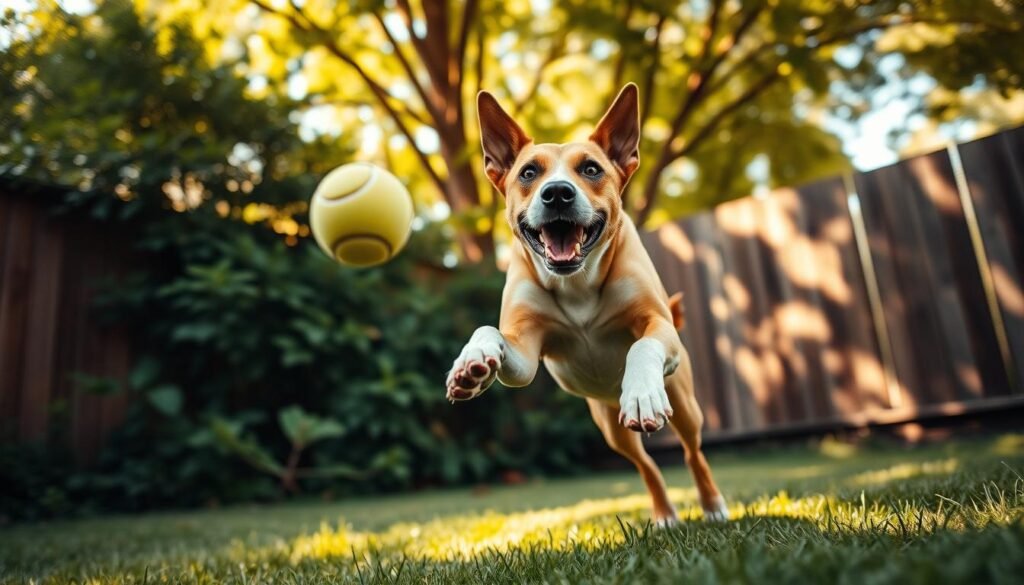
Many pets enthusiastically chase thrown objects but keep them instead of returning. This common behavior frustrates owners but has simple fixes.
The two-toy method often solves this issue. Show your companion a second identical item after they retrieve the first. Most will drop the initial object to chase the new one.
Teaching the “drop it” command provides another excellent solution. Offer high-value treats when they release the item. This exchange teaches that returning objects brings rewards.
Some animals respond better to enthusiastic encouragement. Run away from your pet while calling them excitedly. Many will chase you while carrying their prize.
Dealing with Lack of Interest in Toys
Not all companions naturally value playthings. Building excitement requires discovering what motivates your particular pet.
Food-dispensing toys create instant interest for treat-focused animals. These items combine mealtime with playtime. The association builds positive connections with retrieval.
Tug games before throwing often increase object value. Brief pulling sessions make toys more appealing. Your excitement during these interactions transfers to the item.
Experiment with various textures, sizes, and materials. Some pets prefer soft plush items over hard rubber. Finding their preference makes all the difference.
Adapting for Dogs with Physical Limitations
Age, size, or health conditions might affect retrieval participation. Thoughtful adaptations ensure everyone enjoys the game.
Balls with handles help pets with mouth discomfort. These designs provide easier gripping surfaces. They’re particularly helpful for senior companions.
Nose-nudge retrieval offers an alternative to mouth holding. Train your pet to push objects toward you instead of carrying. This method works well for various physical challenges.
Shorter distances and softer throws accommodate mobility issues. The enjoyment comes from participation rather than athletic performance.
Maintaining Engagement and Preventing Boredom
Keeping retrieval exciting requires occasional variety and smart session management. Even favorite activities can become stale without thoughtful presentation.
Introduce simple challenges like the “wait” command before chasing. This mental component adds freshness to familiar routines. Your companion must listen before acting.
Vary locations occasionally to maintain novelty. Different environments provide new smells and sights. These changes keep the experience interesting.
Always end sessions before interest wanes. The “leave them wanting more” approach ensures future enthusiasm. Short, positive experiences build long-term enjoyment.
| Challenge | Solution | Key Benefit |
|---|---|---|
| Not returning items | Two-toy method, “drop it” training | Completes retrieval cycle |
| Low toy interest | Food-dispensing toys, tug games | Builds object value |
| Physical limitations | Adapted toys, alternative methods | Enables participation |
| Decreasing engagement | New challenges, varied locations | Maintains long-term interest |
| Reluctance to release | Treat exchanges, positive reinforcement | Teaches cooperative play |
Remember that not every animal enjoys this particular activity. If your companion consistently shows disinterest, consider alternative games. Forced participation creates negative associations.
Successful troubleshooting requires observing your pet’s unique signals. Their body language tells you what works and what doesn’t. Adapt your approach based on their responses.
The goal remains joyful interaction rather than perfect performance. Whether through adapted methods or alternative games, quality time together matters most.
Conclusion
You now have all the tips and training steps to make fetch a fun game for your furry friend. With patience and consistency, most dogs can master this skill, regardless of their initial interest.
Remember to reward with treats and praise, as the activity itself may not motivate every pet. The ultimate goal is a smooth, cued retrieve with any toy in various settings.
This shared time offers excellent exercise and strengthens your bond. Keep sessions short and positive to maintain enthusiasm.
Always consider your companion’s preferences and abilities. Successful retrieval training improves overall obedience and communication.
FAQ
What if my dog doesn’t bring the toy back?
If your dog doesn’t bring the toy back, try using a second identical toy. Toss the second one once they pick up the first—this often encourages them to return. You can also practice in a confined space and use high-value treats to reward them when they come back to you.
How do I get my dog interested in playing fetch?
Start by choosing a toy your dog already loves. Use excitement in your voice, move the toy around erratically, and reward any interaction with praise or treats. Building interest takes time, so keep sessions short and fun to maintain their engagement.
What are the best toys for teaching fetch?
Soft, lightweight toys or balls that are easy for your dog to carry work best. Avoid heavy or awkwardly shaped items. Many dogs love tennis balls, rubber fetch balls, or soft plush toys—just make sure it’s something your pup enjoys mouthing and carrying.
My dog just runs after the toy but doesn’t pick it up. What should I do?
Work on the “hold” command separately. Encourage your dog to take the toy from your hand using treats and praise. Once they’re comfortable holding it, gradually introduce short tosses and reward them for picking it up.
How long does it take to teach a dog to fetch?
Every dog learns at their own pace. Some pick it up in a few sessions, while others may need weeks of consistent practice. Keep training positive, end on a good note, and celebrate small successes—it’s all about building a reliable behavior over time.
Can older dogs or dogs with physical limitations learn fetch?
Absolutely! Adapt the game to suit your dog’s abilities. Use shorter throws, gentle rolls, or even indoor fetch in a hallway. Always prioritize safety and comfort—fetch should be enjoyable, not strenuous, for dogs with limitations.

My name is Igor Silva and I’ve been passionate about animals since childhood. I dedicate my work to sharing reliable, practical information about pet care, health, and well-being.